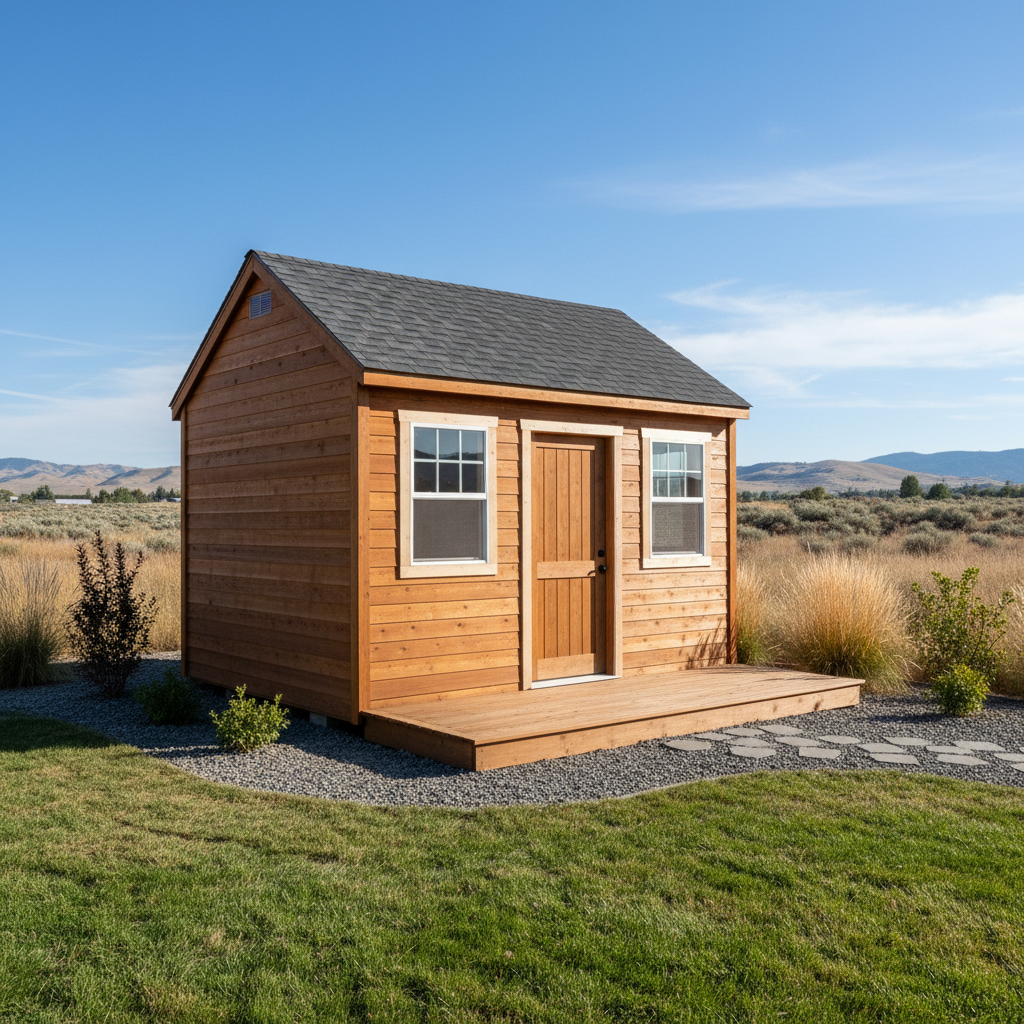
So, you've got yourself a custom shed from Kennewick Custom Sheds, or maybe another builder. Good for you. You made an investment, and now it's time to protect it. People often think once a shed is built, that's it. Set it and forget it. But that's just not how things work, especially not here in Kennewick with our crazy weather swings.
Your Shed's Lifespan: It's Easier Than You Think to Make It Last
You want your shed to last, right? It's not rocket science, but it does take a little proactive effort. Think of it like your car – you wouldn't just drive it for ten years without an oil change, would you? Your shed needs similar attention.
First off, good drainage is king. Seriously. Water is the enemy of any structure. Make sure your gutters are clear, and downspouts direct water well away from the foundation. We're talking at least five feet. If water pools around the base, you're asking for trouble with rot and foundation issues. Also, keep vegetation trimmed back. Bushes and trees might look nice, but if they're constantly touching your shed, they hold moisture against the siding and roof. That leads to mildew, rot, and even insect problems.
Another big one for our area: UV protection. Our summers are brutal with that intense sun. If your shed is painted, a fresh coat every 5-7 years, or even sooner on south-facing walls, can make a huge difference. If it's stained, reapply that stain. This isn't just for looks; it's a protective barrier against the sun breaking down your materials.
Regular Maintenance: Your Shed's Annual Check-up
I recommend a good once-over at least twice a year. Spring and fall are good times. You don't need a fancy checklist, just a pair of eyes and maybe a ladder.
- Roof Inspection: Look for cracked or missing shingles. Check around any vents or skylights for signs of leaks. Our winds can really do a number on roofing, so keep an eye out.
- Siding and Trim: Walk around the whole shed. Are there any loose boards? Peeling paint? Gaps where critters could get in? Pay close attention to the bottom few inches, especially if it's close to the ground.
- Doors and Windows: Check the seals around doors and windows. Make sure they close tightly. Lubricate hinges and latches so they operate smoothly. A sticky door is annoying, but a door that doesn't seal lets in moisture and pests.
- Foundation Check: Look for any cracks or shifting. If you have a gravel foundation, make sure it's still level and hasn't washed away in spots.
- Interior Scan: Step inside. Do you see any water stains on the ceiling or walls? Any musty smells? These are often the first signs of a leak you might not spot from the outside. Look for signs of pests too – droppings, chewed wood, spiderwebs that look a little too dense.
Warning Signs: Don't Ignore These Red Flags
Some things are minor, but others are screaming for attention. Don't put these off:
- Persistent Leaks: If you've got water coming in, even a small drip, it's a problem that will only get worse. Water damage spreads fast.
- Soft Spots: If you push on wood siding or trim and it feels soft or spongy, that's rot. It means water has gotten in and is breaking down the wood fibers.
- Pest Evidence: Sawdust piles, tiny holes in the wood, mud tubes (termites), or nests. Pests can compromise the structural integrity of your shed faster than you'd think.
- Sagging Roofline: If your roof looks like it's dipping in the middle, that's a serious structural issue. Could be snow load damage from a heavy winter, or just age.
- Foundation Cracks or Shifting: Large cracks in a concrete slab, or noticeable unevenness in a block or gravel foundation, need immediate attention.
When to Call a Professional
Look, I'm a big believer in DIY when it makes sense. But there are times you just need to call in someone who knows what they're doing. If you see any of those serious warning signs – persistent leaks, significant rot, structural issues, or major pest infestations – that's when you pick up the phone. Don't try to patch a sagging roof yourself unless you're a roofer. You could make it worse, or worse, hurt yourself.
If you're ever unsure, just ask. That's what we're here for at Kennewick Custom Sheds. We build these things, so we know what to look for and how to fix them right. Sometimes, a quick professional inspection can save you thousands down the road by catching a small problem before it becomes a huge headache. Our dry, hot summers and occasional heavy snows mean your shed takes a beating, so a little care goes a long way.