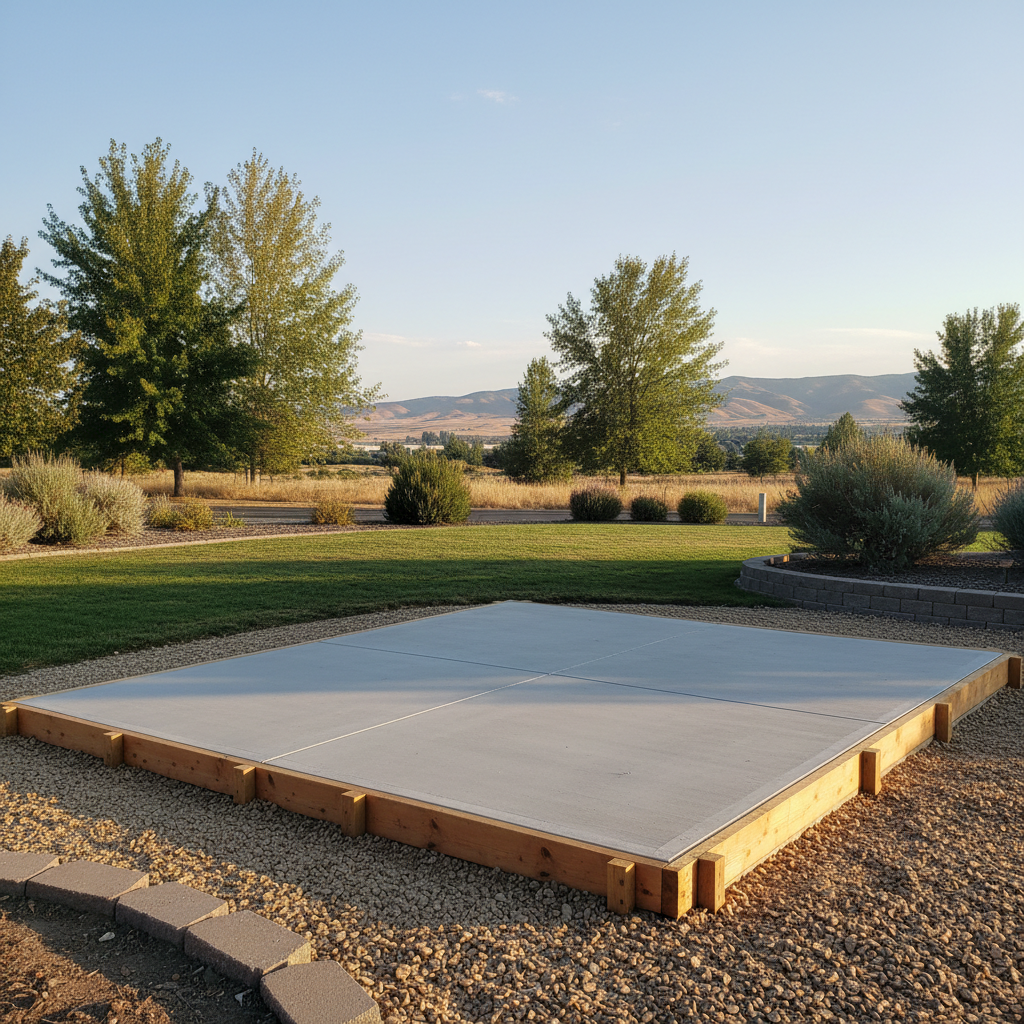
Alright, let's talk shed foundations. You might think once it's built, it's done, right? Not exactly. That foundation, whether it's concrete, gravel, or those trusty concrete blocks, it's working hard. And just like anything else that's holding up a structure, it needs a little attention to make sure it lasts.
We build a lot of sheds here at Kennewick Custom Sheds, and I've seen firsthand what happens when a foundation gets neglected. It's usually not pretty, and it always costs more to fix later than to maintain now. So, what's the deal?
Making Your Foundation Last Longer
The best way to make your foundation last is to make sure it was done right in the first place. But assuming it was, or you're just trying to get the most out of what you've got, here's what you can do:
- Keep it Dry: This is huge, especially around here. We don't get a ton of rain, but when we do, or when the sprinklers are running, you don't want water pooling around your foundation. Good drainage is key. Make sure the ground slopes away from the shed. If it doesn't, you might need to add some dirt or even a small French drain. Water sitting against wood or even concrete can cause problems over time, from rot to cracking.
- Control the Vegetation: Don't let bushes, weeds, or even grass grow right up against your shed. They hold moisture against the foundation and can even provide pathways for pests. Keep a clear perimeter, maybe 6-12 inches, around the entire shed.
- Ventilation for Skirted Sheds: If your shed has a skirt or lattice around the base, make sure there's enough airflow underneath. Stagnant, moist air is an invitation for mold, rot, and critters. Sometimes people block off vents in the winter, which is a mistake. Keep those open year-round.
- Prevent Erosion: For gravel or block foundations, heavy rain can sometimes wash away the material around the edges. Keep an eye on it and top it off with fresh gravel or soil if you see it eroding. This helps maintain the level and support.
Regular Maintenance: What You Need to Do
You don't need to be out there every day, but a quick check-up a couple of times a year can save you a headache.
- Spring Clean-Up: After winter, take a walk around your shed. Look for any settling, cracks, or displaced blocks. Clear away any debris, leaves, or branches that have accumulated around the base. Check those drainage slopes.
- Fall Prep: Before the wet season really kicks in, do another check. Make sure gutters (if you have them) are clean and directing water away. Trim back any plants that have grown too close over the summer. This is also a good time to check for any pest activity around the foundation.
- Level Checks: Every couple of years, grab a level. Put it on the floor inside your shed, especially near the walls. If you notice a significant tilt, that's a sign your foundation might be settling unevenly. For concrete slab foundations, you can also look for cracks in the slab itself.
Warning Signs of Problems
You're not looking for perfection, but these are things that should definitely grab your attention:
- Cracks in Concrete: Small hairline cracks in a concrete slab are often normal, but if you see cracks that are wider than a credit card, or if they're running horizontally or in a stair-step pattern, that's a red flag.
- Uneven Settling: If your shed door starts sticking, or windows don't close right, it's a good bet the foundation isn't level anymore. You might also notice gaps forming where walls meet the floor.
- Rot or Decay: For foundations with wooden elements (like skids or joists directly on the ground), look for soft spots, discoloration, or a musty smell. This is rot, and it compromises the structural integrity.
- Pest Infestation: Termites love moist wood. If you see mud tubes, wood dust, or actual pests around your foundation, you've got a problem that needs immediate attention.
- Washing Away: If your gravel or block foundation is visibly eroding or shifting, and you're seeing the ground underneath, it's losing its support.
When to Call a Professional
Look, a lot of this stuff you can handle yourself. Clearing debris, checking drainage, maybe even adding a bit of gravel. But some things are just beyond a DIY fix, and that's when you call someone who knows what they're doing.
- Significant Cracks or Settling: If you've got those wide, stair-step cracks, or your shed is noticeably tilting, don't try to fix it with a couple of shims. That's a structural issue that needs an expert eye.
- Widespread Rot or Pest Damage: If you find extensive rot in your foundation skids or joists, or a serious pest infestation, you'll need professional remediation and repair. These aren't just cosmetic issues.
- Drainage Issues You Can't Solve: If you've tried to improve drainage and water is still pooling or running under your shed, especially if you're in an area with a high water table like some of the older parts of Kennewick near the river, a landscaping or foundation expert can help design a proper solution.
- Repeated Problems: If you're constantly fighting the same foundation issues year after year, it means the underlying problem hasn't been addressed. Time to bring in someone with more specialized knowledge.
Your shed's foundation is literally the base of everything. Taking a little time to check on it and address small issues can save you a lot of money and hassle down the road. Don't wait until the whole thing is leaning like the Tower of Pisa to do something about it.